
Subterranean termites live in soil and build mud tubes to reach wood. Unlike drywood termites (which live entirely in wood), subterranean colonies require ground contact and moisture. Treatment focuses on soil barriers, bait systems, and eliminating moisture sources.
Characteristic | Drywood Termites | Subterranean Termites |
|---|---|---|
Where They Live | Entirely inside wood (No soil contact needed) | In underground colonies (Require soil contact) |
Colony Size | Small: 1,000-3,000 termites | Large: 60,000-1,000,000+ termites |
Moisture Requirements | Can survive in dry wood (Extract moisture from wood) | Need constant moisture source (Die without it) |
Visible Signs | • Pellet-like droppings (frass) • Discarded wings • Tiny holes in wood | • Mud tubes on foundation/walls • Damaged wood near soil • Swarmers in spring |
Damage Pattern | Galleries across wood grain (Clean, hollow chambers) | Galleries follow wood grain (Packed with mud/soil) |
Common Locations | • Attics • Window frames • Furniture • Rafters • Any dry wood | • Crawl spaces • Foundation sills • Floor joists • Anywhere near soil |
Entry Method | Fly in (swarmers enter through small gaps, establish colony) | Underground (build tubes from soil to reach wood) |
Swarming Season | Late summer/fall (Warm afternoons) | Spring (After rain, warm mornings) |
Subterranean termite treatment targets the underground colony, not just the visible damage.
We offer two proven methods: soil chemical treatment (immediate elimination) and bait station systems (colony elimination over time).
Your property’s specifics determine the best approach.
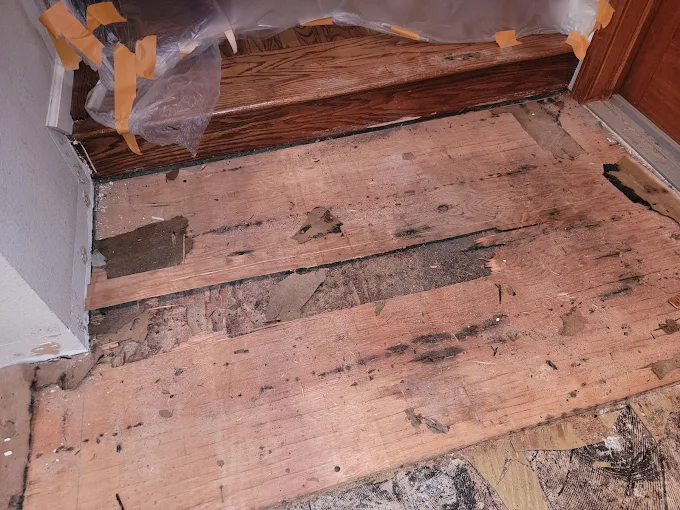
We create a continuous chemical barrier in the soil around and beneath your home. When termites pass through treated soil (either foraging or returning to colony), they contact the termiticide and die.
The treatment also prevents new colonies from entering.
We install monitoring/bait stations around your home’s perimeter. Stations contain wood monitors initially. When termites are detected feeding, we replace monitors with bait that termites carry back to colony. Bait disrupts molting process, slowly eliminating entire colony.
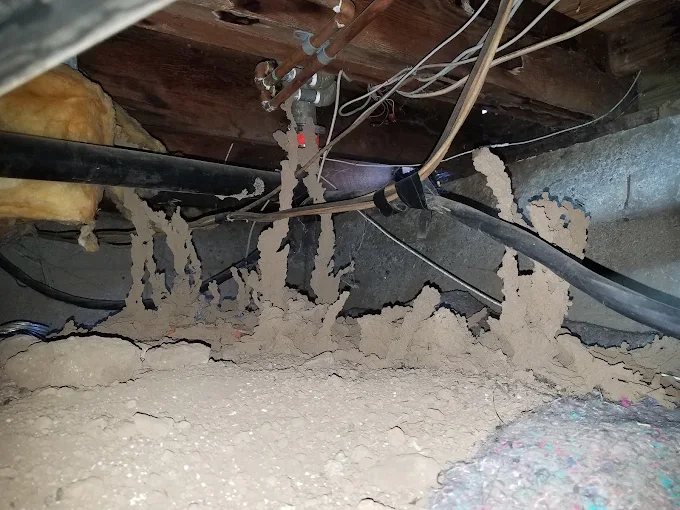
If you’ve spotted mud tubes, spring swarmers, or wood damage near your foundation, you likely have a subterranean termite infestation. Our licensed inspectors can identify the type of termites, assess the extent of damage, and recommend the most effective treatment—soil barrier, bait stations, or combination approach.
Quick answers to the questions we hear most often. Don’t see your question? Call us at (650) 969-5556.
Less common than drywood termites, but definitely present. About 10-20% of termite infestations we treat in Silicon Valley are subterranean.
Subterranean termites are more common in:
Drywood termites are the primary concern in Silicon Valley, but if you see mud tubes on your foundation, you have subterranean termites and need treatment.
Look for these definitive signs:
You have SUBTERRANEAN if you see:
You have DRYWOOD if you see:
Not recommended.
Here's why:
DIY products (foam sprays, spot treatments) rarely work for subterranean termites because:
Yes, when applied correctly by licensed professionals.
Soil Treatment:
Bait Stations:
Precautions we take:
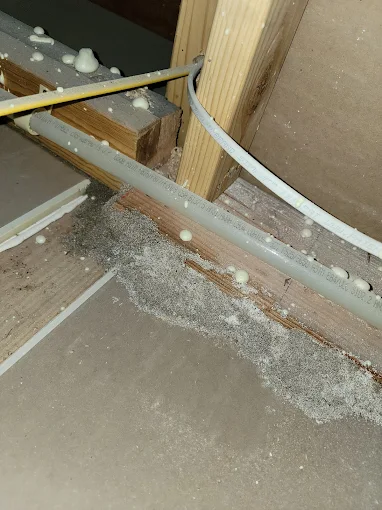
Subterranean termites live in soil and build mud tubes to reach wood. Unlike drywood termites (which live entirely in wood), subterranean colonies require ground contact and moisture. Treatment focuses on soil barriers, bait systems, and eliminating moisture sources.
Characteristic | Drywood Termites | Subterranean Termites |
|---|---|---|
Where They Live | Entirely inside wood (No soil contact needed) | In underground colonies (Require soil contact) |
Colony Size | Small: 1,000-3,000 termites | Large: 60,000-1,000,000+ termites |
Moisture Requirements | Can survive in dry wood (Extract moisture from wood) | Need constant moisture source (Die without it) |
Visible Signs | • Pellet-like droppings (frass) • Discarded wings • Tiny holes in wood | • Mud tubes on foundation/walls • Damaged wood near soil • Swarmers in spring |
Damage Pattern | Galleries across wood grain (Clean, hollow chambers) | Galleries follow wood grain (Packed with mud/soil) |
Common Locations | • Attics • Window frames • Furniture • Rafters • Any dry wood | • Crawl spaces • Foundation sills • Floor joists • Anywhere near soil |
Entry Method | Fly in (swarmers enter through small gaps, establish colony) | Underground (build tubes from soil to reach wood) |
Swarming Season | Late summer/fall (Warm afternoons) | Spring (After rain, warm mornings) |
Subterranean termite treatment targets the underground colony, not just the visible damage.
We offer two proven methods: soil chemical treatment (immediate elimination) and bait station systems (colony elimination over time).
Your property’s specifics determine the best approach.
We create a continuous chemical barrier in the soil around and beneath your home. When termites pass through treated soil (either foraging or returning to colony), they contact the termiticide and die.
The treatment also prevents new colonies from entering.
We install monitoring/bait stations around your home’s perimeter. Stations contain wood monitors initially. When termites are detected feeding, we replace monitors with bait that termites carry back to colony. Bait disrupts molting process, slowly eliminating entire colony.
If you’ve spotted mud tubes, spring swarmers, or wood damage near your foundation, you likely have a subterranean termite infestation. Our licensed inspectors can identify the type of termites, assess the extent of damage, and recommend the most effective treatment—soil barrier, bait stations, or combination approach.
Quick answers to the questions we hear most often. Don’t see your question? Call us at (650) 969-5556.
Less common than drywood termites, but definitely present. About 10-20% of termite infestations we treat in Silicon Valley are subterranean.
Subterranean termites are more common in:
Drywood termites are the primary concern in Silicon Valley, but if you see mud tubes on your foundation, you have subterranean termites and need treatment.
Look for these definitive signs:
You have SUBTERRANEAN if you see:
You have DRYWOOD if you see:
Not recommended.
Here's why:
DIY products (foam sprays, spot treatments) rarely work for subterranean termites because:
Yes, when applied correctly by licensed professionals.
Soil Treatment:
Bait Stations:
Precautions we take: