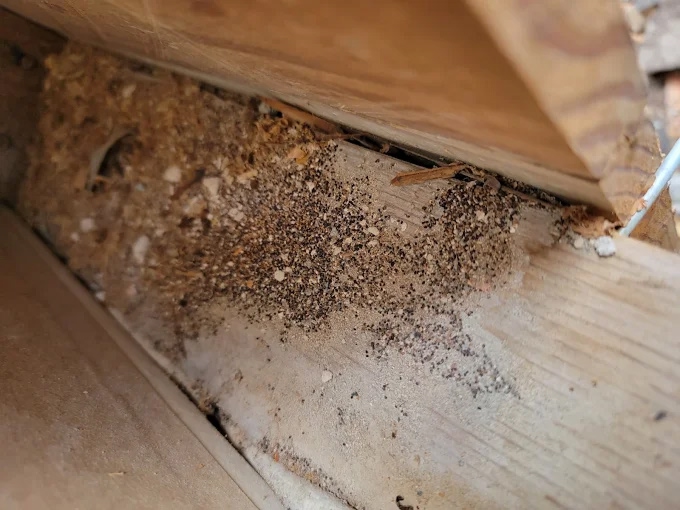
We don’t just find termite damage—we fix it. As a licensed contractor (CSLB #983001) AND pest control operator (SPCB Z9087), J&M handles everything from inspection to treatment to complete structural repairs. One company. One timeline. One warranty.
When we inspect your home for termites, we’re looking at the complete picture: active infestations AND structural damage. That’s because J&M holds both the pest control license and the contractor’s license needed to handle your entire project.
Here’s what happens: Louis conducts your inspection and identifies both the termite activity and any wood damage. You receive one comprehensive estimate covering treatment and repairs. Robert, our lead carpenter with 20+ years experience, handles all structural work. One team, one timeline, one point of contact from start to finish.
This matters because termite damage repair involves specialized carpentry—matching your home’s existing construction, working with damaged wood, and understanding how termites compromise structural integrity. It’s not general handyman work.
Termite and dry rot damage can affect virtually any wood member in your home. Our licensed carpenters have 20+ years experience repairing everything from minor cosmetic issues to major structural reconstruction.
What it is: Floor joists are horizontal beams that support your floors. Subfloor is the plywood/OSB decking attached to joists. Both are prime targets for termites and dry rot.
What it is: Sill plates (mudsills) are the horizontal wood members that sit on top of your foundation. They’re the first wood contact point and highly vulnerable to subterranean termites.
What it is: Subfloor beneath bathrooms and kitchens is especially vulnerable to dry rot from plumbing leaks, toilet seals, or shower pan failures.
What it is: Window sills, door jambs, and surrounding framing are exposed to weather and prone to termite/dry rot damage.
What it is: Siding, fascia boards, and trim are constantly exposed to weather and vulnerable to termites and dry rot.
What it is: Decks and porches are exposed to weather and often have wood-to-ground contact, making them termite magnets.
What it is: Roof rafters, trusses, and sheathing in attics are prime locations for drywood termite infestations.
What it is: Stair stringers (side supports) and treads can suffer termite and dry rot damage, compromising safety.
Why coordinate multiple contractors when one company can handle everything? J&M’s dual licensing means we find termite damage, treat it, and repair it—all under one roof. One estimate. One timeline. One point of accountability.
Quick answers to the questions we hear most often. Don’t see your question? Call us at (650) 969-5556.
California law requires a Contractor's License (CSLB) to perform structural work—and most pest control companies only hold a Pest Control License (SPCB).
What each license allows:
This dual licensing is what allows us to offer complete service.
It depends on the extent of damage and structural requirements.
When we REPAIR (without full replacement):
When we must REPLACE:
Our assessment always errs on the side of safety. We won't patch something that should be replaced.
Yes. This is where craftsmanship matters.
How we match:
When work is complete, you shouldn't be able to tell which wood is original and which is new (unless you want to see our perfect paint blend).